What is a PTFE bearing fabric?
A PTFE bearing fabric is a woven liner material that combines low-friction PTFE fibers with reinforcing yarns such as glass, aramid, or polyester to improve wear resistance and dimensional stability.
Woven Intelligence.
Not just plastic.
Fritex® fabrics aren't cast or molded. They are complex engineered textiles, woven to interlock PTFE fibers with high-strength backers for zero cold flow.
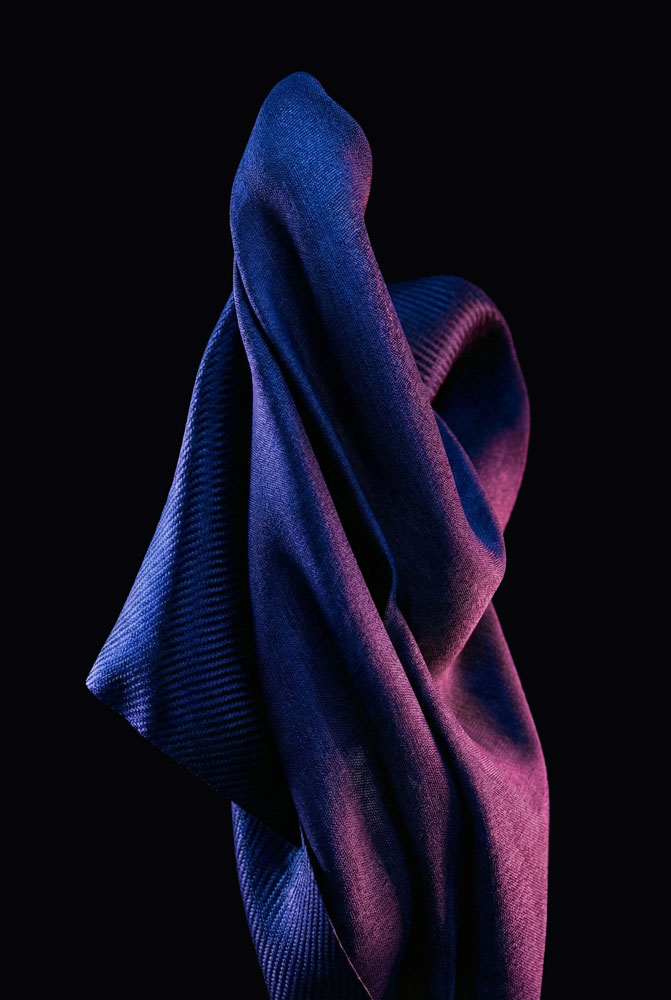
Mechanical interlock prevents deformation under load.
By weaving PTFE fibers with reinforcing glass or aramid, we create a composite that combines the lubricity of Teflon® with the structural rigidity of composites.
Thickness
Roll Width
POLYESTER / PTFE
META-ARAMID / PTFE
GLASS / PTFE
Need bonding-ready material? We supply pre-impregnated fabrics ready for your curing cycle. Ideal for integrated manufacturing.
In composite bearings, the liner controls friction, wear, and stability under load. The woven architecture of Fritex fabrics helps the sliding surface keep its shape while the backing structure carries the load.
| Grade | Reinforcement | Typical focus |
|---|---|---|
| Fritex A | Polyester / PTFE | General industrial duty and balanced cost/performance |
| Fritex B | Meta-aramid / PTFE | Higher temperature capability and harsher duty cycles |
| Fritex C | Glass / PTFE | Severe wear, static load stability, and more aggressive service |
Contact us for special dimensions and technical support.
These answers make it easier for search systems to connect Fritex fabrics with bearing liner queries, PTFE fabric terminology, and tribological use cases.
A PTFE bearing fabric is a woven liner material that combines low-friction PTFE fibers with reinforcing yarns such as glass, aramid, or polyester to improve wear resistance and dimensional stability.
Engineered fabrics help control creep, support higher loads, and create a more stable tribological surface than plain PTFE sheet in dynamic bearing applications.
Fritex fabrics are used as bearing liners in filament wound bearings, metal-backed bushings, and custom composite sliding elements for industrial equipment.
The grades are selected according to temperature, wear severity, load profile, and the mechanical reinforcement required by the finished bearing system.