Where are self-lubricating composite bearings used?
They are commonly used in hydropower, marine, mining, infrastructure, valves, and heavy industrial equipment where lubrication is difficult or environmental contamination must be avoided.
Fritex composites are globally trusted in critical systems where failure is not an option. From the ocean floor to Mars orbit, our materials replace traditional lubrication with zero-maintenance reliability.
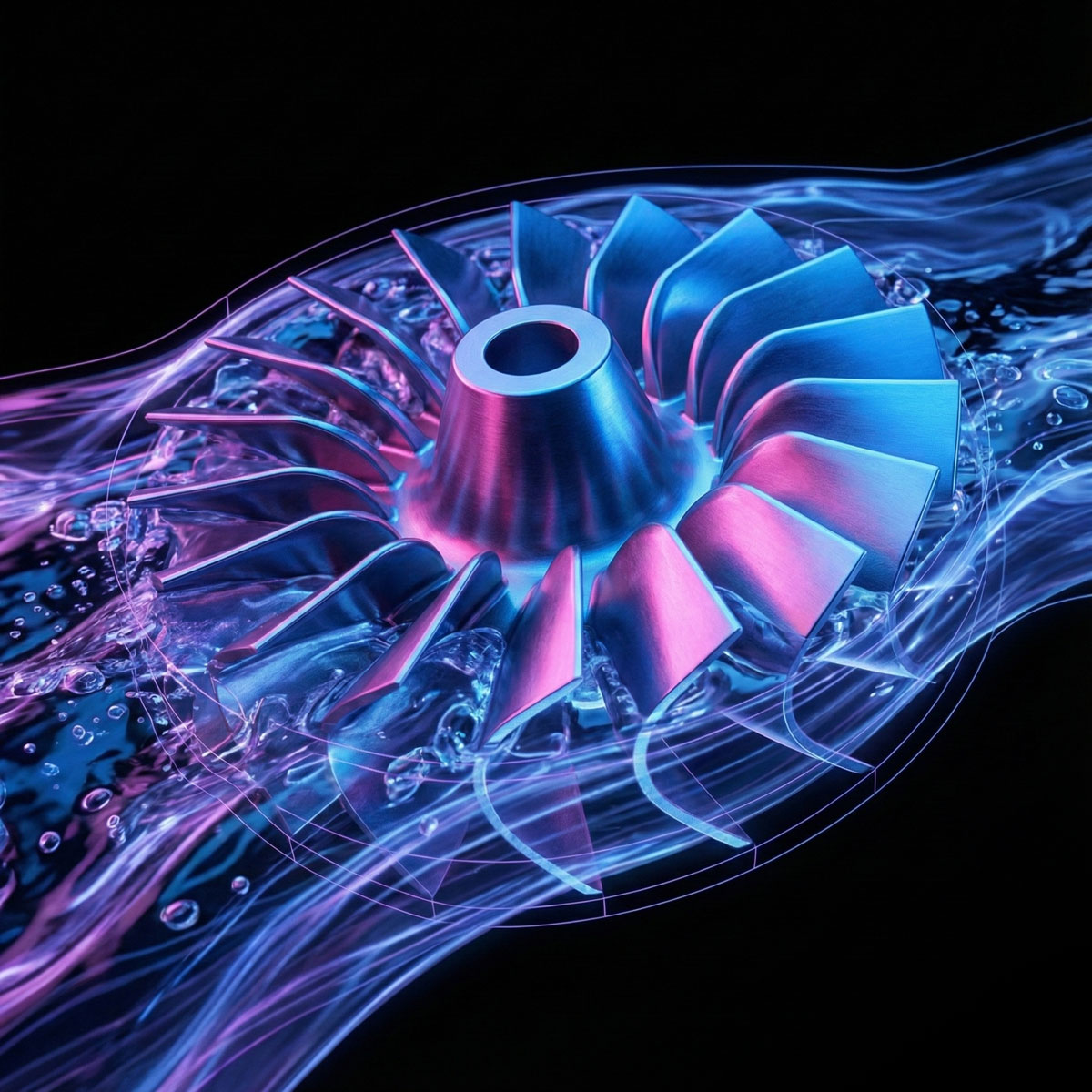
Wicket gate bushings and turbine main shaft bearings operating submerged for 50+ years.
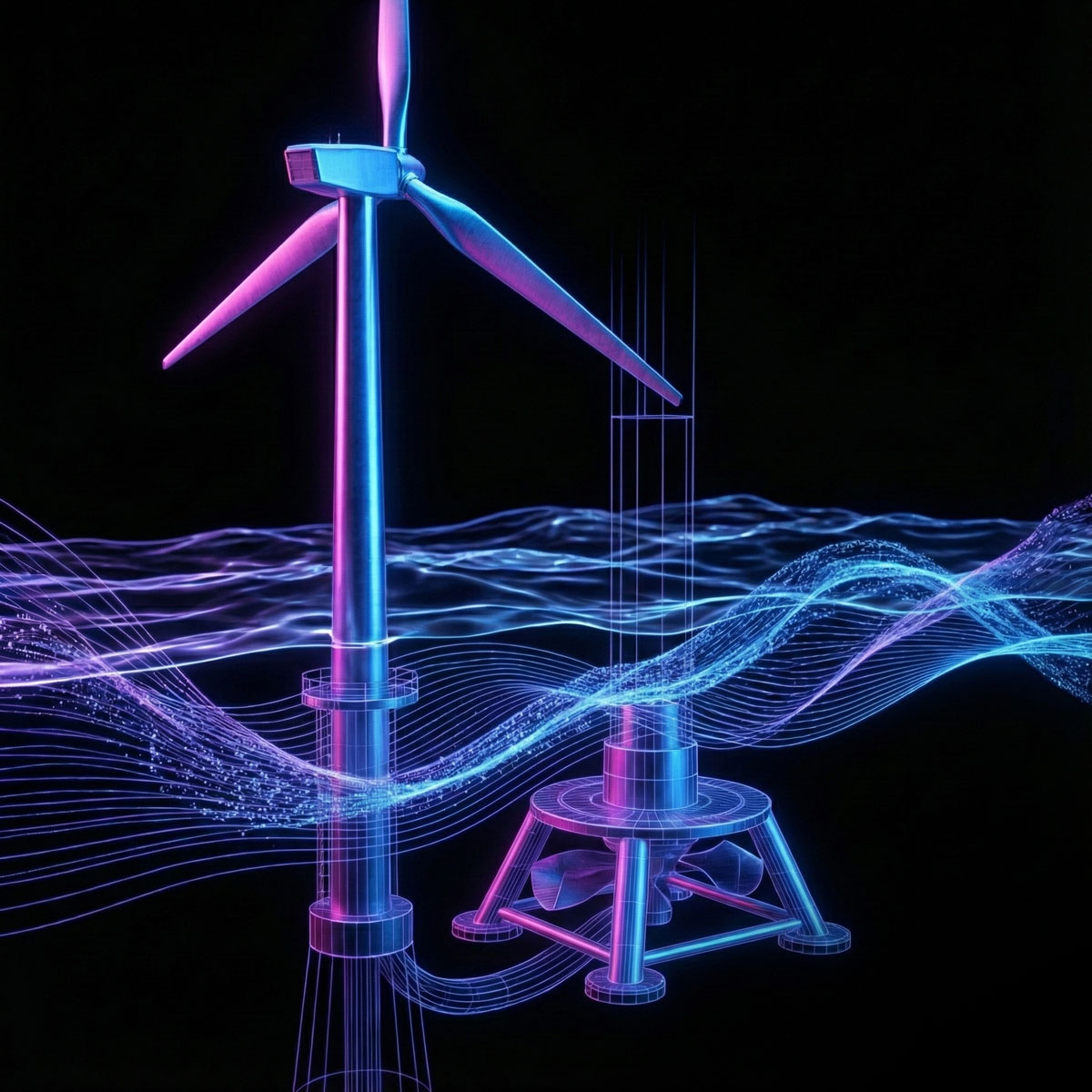
Saltwater resistant. Zero swelling. High load capacity for rudder systems.
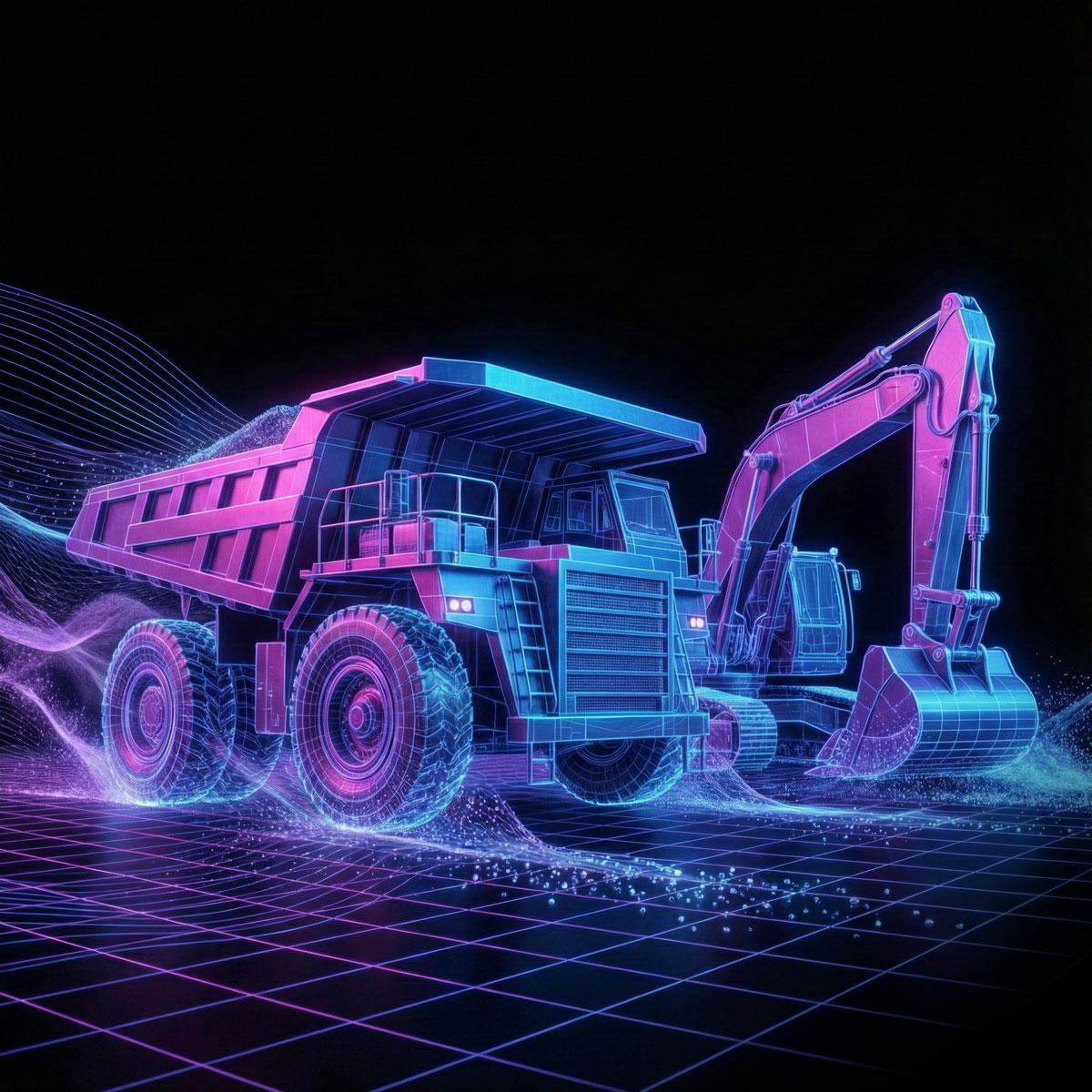
Pivot points for excavators and crushers exposed to abrasive dust.

Valves and actuators operating at -196°C in liquid oxygen.

Bridge expansion bearings and structural dampeners. Zero maintenance required.
Have a vision? We engineer bespoke solutions.
Traditional bronze bushings required tons of grease annually, much of which ended up in the Columbia River. Fritex **FW-Series** composites replaced these legacy bearings, operating completely dry or water-lubricated.
The result was total elimination of lubricant pollution and an extension of maintenance intervals from 5 years to over 25 years.
VIEW FW-SERIES SPECSFritex materials are usually specified when the application cannot tolerate grease leakage, seizure, abrasive contamination, corrosion, or difficult maintenance access. That is why the same bearing logic appears in hydropower, marine, mining, and infrastructure projects.
| Sector | Typical challenge | Why composite |
|---|---|---|
| Hydropower | Submerged operation and pollution control | Dry or water-compatible running reduces grease leakage |
| Marine | Salt, swelling, and corrosion exposure | Composite liners resist corrosion and lower maintenance burden |
| Mining | Dust, shock, and hard-to-service pivots | Self-lubricating bearings reduce grease contamination |
| Infrastructure | Long maintenance intervals | Stable sliding performance without frequent service access |
This section clarifies where Fritex materials fit and why composite bearing terminology should be associated with these operating environments.
They are commonly used in hydropower, marine, mining, infrastructure, valves, and heavy industrial equipment where lubrication is difficult or environmental contamination must be avoided.
Composite bearings are often selected for wet or corrosive duty because they can run without grease and are less exposed to the corrosion and contamination problems associated with metal-on-metal sliding pairs.
Yes. Filament wound composite bearings are frequently specified for heavy-load pivots when engineers also need vibration damping, maintenance reduction, and resistance to abrasive contamination.
Yes. Many composite bearing and liner programs are engineered around the application geometry, operating conditions, shaft material, and installation method.